

Introduction
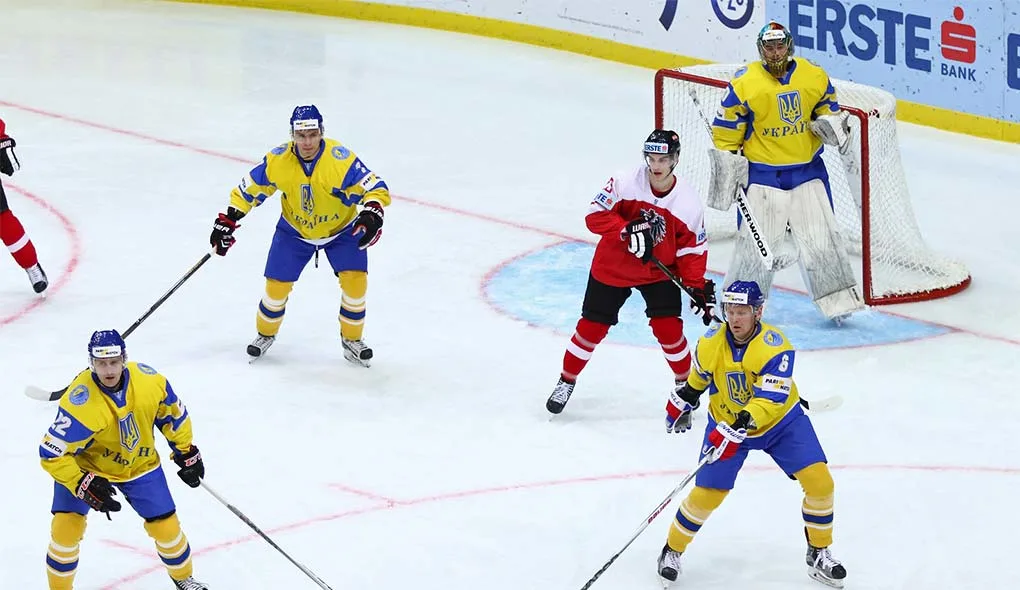
Ice hockey: defense is a critical aspect of the game that requires a combination of skills, strategies, and physical attributes. A solid defensive performance can be the difference between winning and losing, as defenders play a crucial role in preventing the opposing team from scoring. Playing effective defense involves understanding the fundamentals of positioning, checking, and communication, as well as developing the ability to read the game and make quick decisions. This blog post will explore the key elements of playing ice hockey defense, offering insights into techniques, strategies, and training tips for becoming a proficient defender.
Ice Hockey: Understanding Defensive Positioning
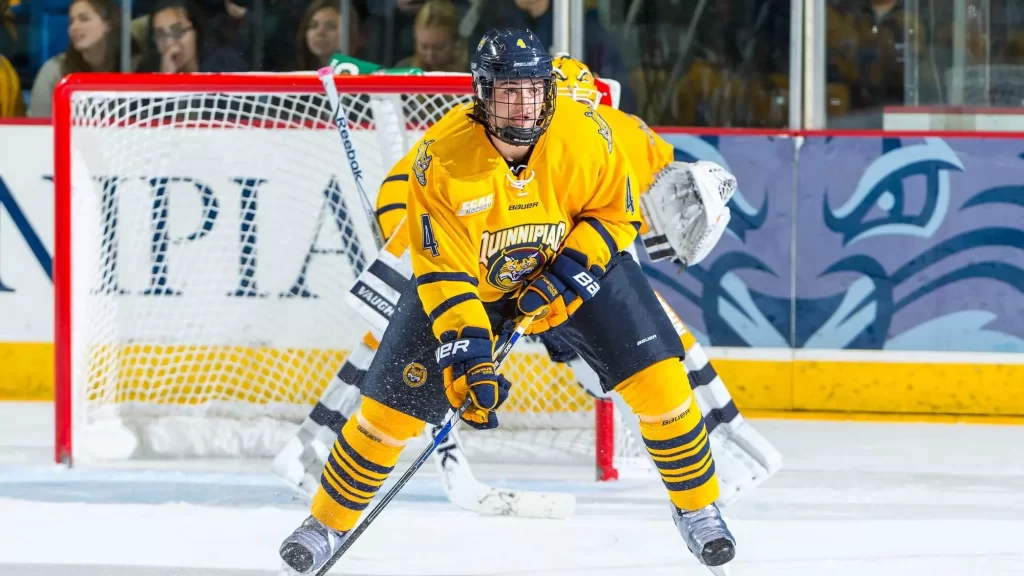
One of the most fundamental aspects of playing defense in ice hockey is mastering defensive positioning. The primary goal of a defender is to protect the area in front of their own net and disrupt the offensive plays of the opposing team. Proper positioning allows a defender to cover passing lanes, block shots, and contain attackers.
Ice Hockey, A defender should always maintain a balanced stance with their knees slightly bent and their weight evenly distributed. This stance allows for quick lateral movements and responsiveness to the puck’s movement. The defender should position themselves between the attacking player and their own net, aiming to force the attacker to the outside and away from high-danger areas. Maintaining proper spacing is also essential; defenders need to be close enough to challenge the attacker but not so close that they are easily beaten by a quick move.
In addition to positioning relative to the puck carrier, defenders must also be aware of their positioning relative to their own teammates. Effective communication and coordination with the other defenders and the goaltender are crucial for creating a cohesive defensive unit. This includes understanding when to cover for a teammate, when to switch assignments, and when to collapse in front of the net.
Ice Hockey: Mastering The Art Of Checking
Checking is a fundamental defensive skill in ice hockey that involves using body contact to disrupt an opponent’s play. There are different types of checks, each with its own purpose and technique. Properly executed checks can prevent the attacking team from gaining momentum, force turnovers, and create opportunities for counterattacks.
Ice Hockey, The most common types of checks include body checks, stick checks, and poke checks. Body checks involve using the body to physically separate the puck carrier from the puck, while stick checks involve using the stick to disrupt the puck or the player’s handling of it. Poke checks are used to poke the puck away from the attacker while maintaining a safe distance to avoid penalties.
When performing a body check, it is essential to make contact with the opponent’s body rather than their head or back to avoid penalties and minimize the risk of injury. Proper technique involves leading with the shoulder and using the body to drive the opponent into the boards or away from the puck. Stick checks require precise timing and positioning, as the defender must use the stick to disrupt the puck carrier’s handling without tripping or hooking them.
The Importance Of Gap Control
Ice Hockey, Gap control refers to the distance between a defender and the attacking player. Proper gap control is essential for effectively defending against offensive plays and preventing the opponent from gaining an advantage. The goal is to maintain a consistent distance that allows the defender to challenge the attacker while also providing enough space to react to their moves.
Maintaining proper gap control involves keeping a distance that is neither too close nor too far from the puck carrier. If the gap is too large, the attacker can easily maneuver and create scoring opportunities. Conversely, if the gap is too small, the defender risks being easily beaten by quick moves or dekes. A good rule of thumb is to keep a gap of about one stick length or a few feet between the defender and the attacker.
Adjusting the gap based on the attacker’s speed and positioning is also important. For example, if the attacker is moving quickly, the defender may need to reduce the gap to prevent them from gaining a clear shot or passing opportunity. Conversely, if the attacker is moving slowly or is positioned at the edge of the offensive zone, the defender can maintain a larger gap to allow for better reaction time.
Ice Hockey: Reading The Play And Anticipating Moves
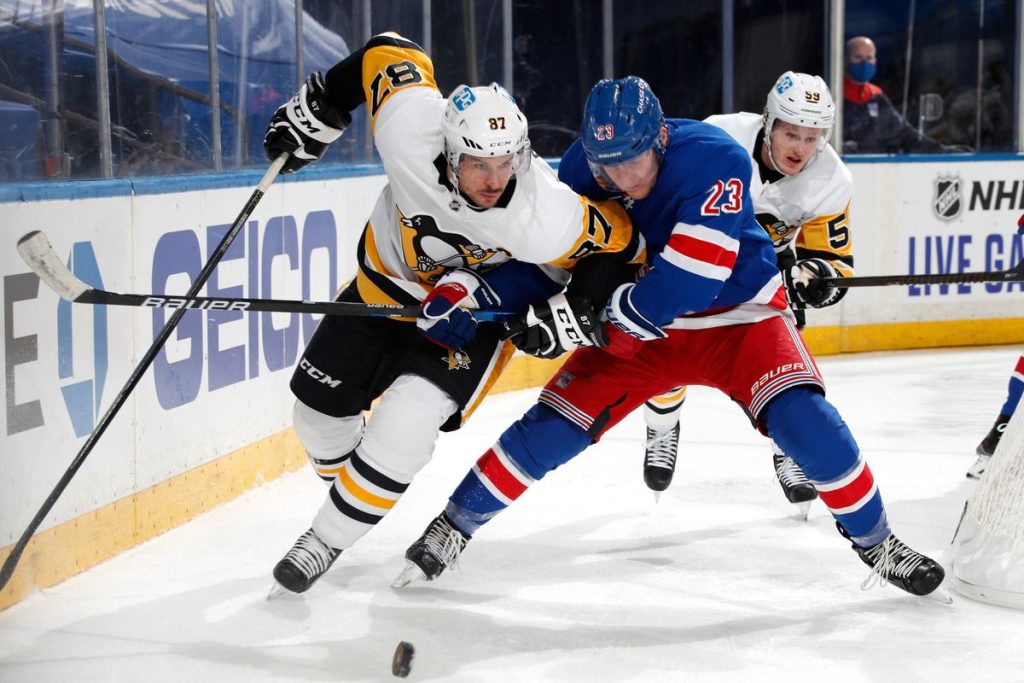
Ice Hockey, Reading the play and anticipating the opponent’s moves are crucial skills for effective defensive play. A defender who can predict where the puck is going and how the offensive players will react can position themselves more effectively and make better decisions.
Anticipation involves analyzing the attacker’s body language, puck handling, and positioning to predict their next move. For example, if an attacker is winding up for a shot, the defender should be prepared to block the shot or challenge the shooter. If an attacker is looking to pass, the defender should position themselves to intercept the pass or disrupt the play.
Defenders should also be aware of the overall flow of the game and the positioning of their teammates. Understanding where the puck is likely to go and how the play is developing can help defenders make proactive decisions and stay one step ahead of the offensive players. Effective communication with teammates is also essential for ensuring that everyone is on the same page and able to respond to changing situations on the ice.
Effective Communication And Teamwork
Ice Hockey, Communication and teamwork are vital components of successful defensive play. Defenders must work together to cover different areas of the ice, manage opposing players, and support each other in various situations. Effective communication ensures that everyone understands their roles and responsibilities and can make coordinated efforts to prevent scoring opportunities.
Communication on the ice involves both verbal and non-verbal cues. Verbal communication includes calling out plays, alerting teammates to potential threats, and providing instructions. Non-verbal communication involves using body language, such as pointing or signaling, to convey information quickly and efficiently. Building strong communication skills requires practice and familiarity with teammates, as well as the ability to read and respond to the flow of the game.
Teamwork involves supporting teammates in different situations, such as providing coverage when one defender is out of position or helping to clear the puck from the defensive zone. Defenders must also be prepared to switch assignments and cover for each other as needed. A cohesive defensive unit can effectively manage offensive pressure, block shots, and clear the puck from dangerous areas.
Transitioning From Defense To Offense
Ice Hockey: A well-rounded defender must also be adept at transitioning from defense to offense. Once a defensive play is made, such as a successful check or a blocked shot, the defender needs to quickly shift focus to supporting offensive plays and creating opportunities for their team.
Effective transition involves making quick and accurate passes, moving the puck up the ice, and supporting offensive rushes. Defenders should be prepared to join the attack, either by pinching in from the blue line or by making strategic passes to forwards. Timing and positioning are key factors in successful transitions, as defenders need to balance their defensive responsibilities with their offensive contributions.
Good skating skills are essential for transitioning effectively, as defenders must be able to move quickly and smoothly between defense and offense. Practicing skating drills and puck-handling skills can help improve a defender’s ability to transition and contribute to both ends of the ice.
Training And Practice Tips For Defenders
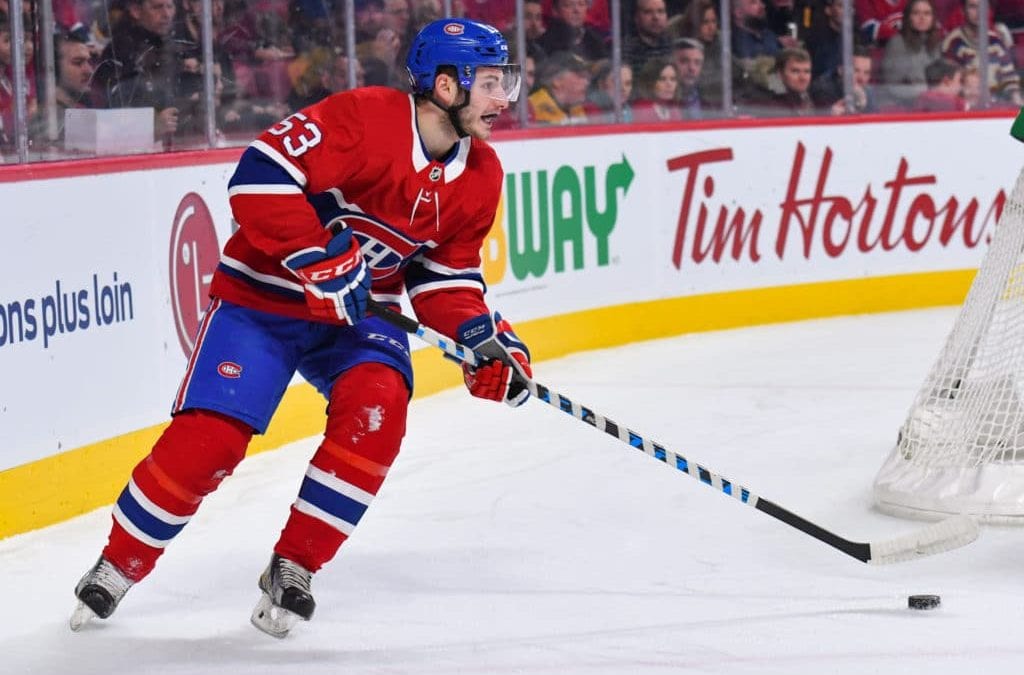
Training and practice are crucial for developing and maintaining defensive skills. Effective training involves focusing on various aspects of defensive play, including positioning, checking, gap control, and anticipation. Incorporating specific drills and exercises into practice sessions can help reinforce these skills and improve overall performance.
Ice Hockey, Drills that emphasize defensive positioning and checking can help defenders develop their technique and timing. For example, practicing one-on-one battles with teammates or coaches can simulate game situations and improve a defender’s ability to challenge opponents and win puck battles. Skating drills that focus on lateral movement and quick changes of direction can enhance a defender’s agility and responsiveness.
Additionally, reviewing game footage and analyzing defensive play can provide valuable insights and opportunities for improvement. Observing and studying successful defensive plays, both from one’s own games and from professional or collegiate levels, can offer ideas and strategies for enhancing defensive skills.
Conclusion
Ice Hockey, Playing ice hockey defense involves a combination of skills, strategies, and physical attributes. Mastering defensive positioning, checking techniques, and gap control are essential for effectively managing offensive threats and protecting the net. Anticipating opponents’ moves, communicating with teammates, and transitioning between defense and offense are also critical aspects of successful defensive play. Training and practice play a vital role in developing and maintaining these skills, ensuring that defenders are well-prepared for the challenges of the game. By focusing on these elements and continuously striving for improvement, players can become effective and impactful defenders, contributing to their team’s success on the ice.