

Introduction
The concept of miniature horse racing games, while niche, offers a unique and engaging blend of entertainment, strategy, and simulation. This blog post delves into the world of miniature horse racing games, examining their appeal, gameplay mechanics, and the factors that contribute to their charm. From their origins to their current iterations, miniature horse racing games provide a fascinating glimpse into how developers combine creativity with classic racing dynamics to create memorable gaming experiences.
The Evolution Of Miniature Horse Racing Games
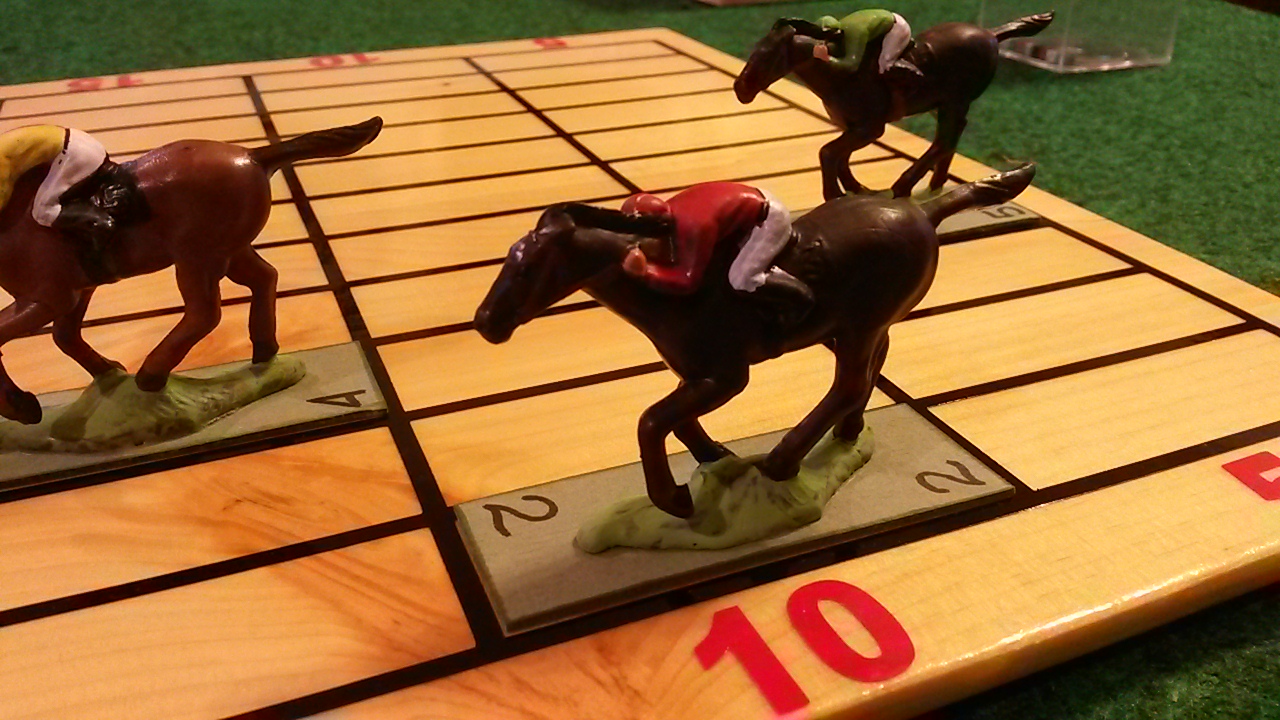
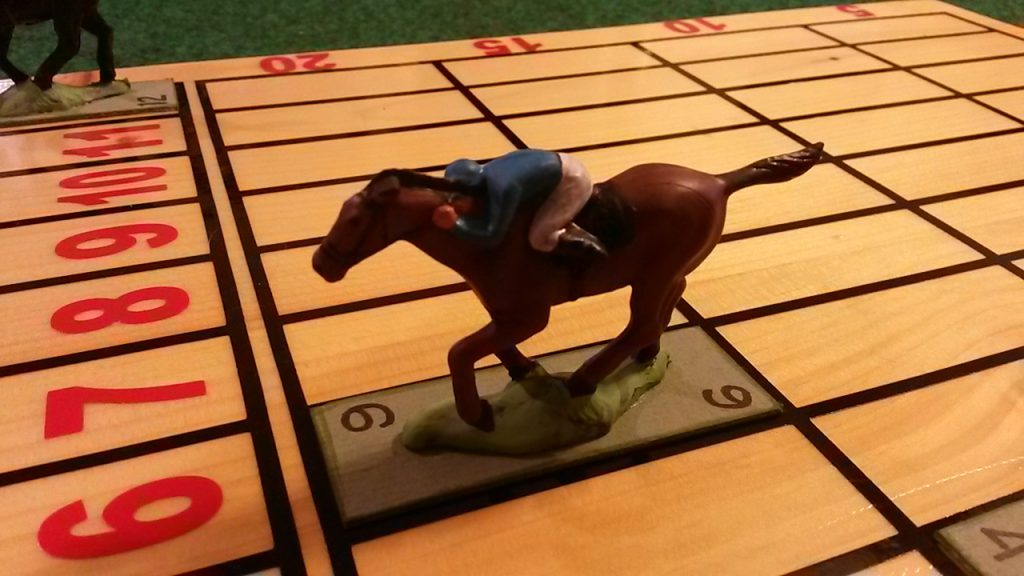
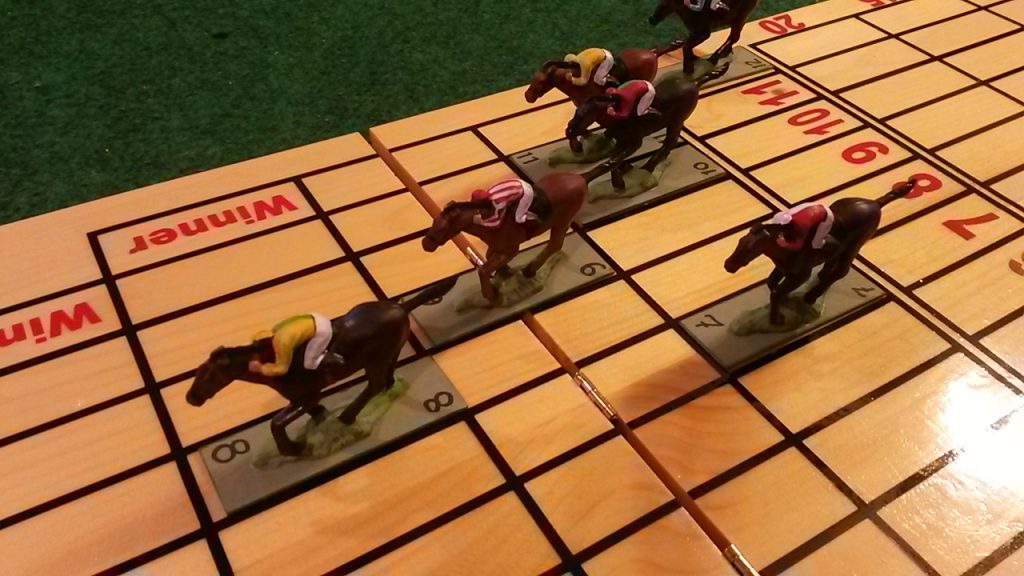
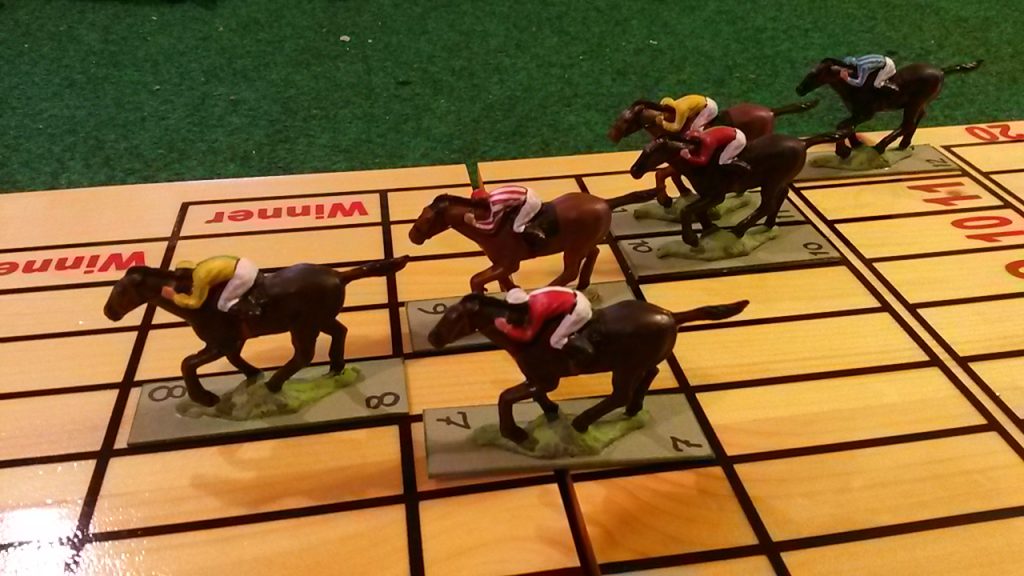
Miniature horse racing games have evolved from simple, whimsical experiences to more sophisticated and immersive simulations. The origins of such games can be traced back to traditional board games and toy sets where players would race toy horses on miniature tracks. These early games laid the foundation for the genre, blending elements of strategy, chance, and competition in a compact format.
As technology advanced, miniature horse racing games transitioned into digital formats, offering enhanced graphics, more complex gameplay, and online capabilities. The evolution of these games reflects broader trends in gaming, where digital innovations have expanded the possibilities for interactive and engaging experiences. Today’s miniature horse racing games incorporate a range of features that cater to both casual players and dedicated enthusiasts.
Gameplay Mechanics And Features
Miniature horse racing games typically involve controlling miniature horses or ponies in a racing environment. The core gameplay revolves around guiding these small steeds through various challenges and obstacles, aiming to achieve the fastest times or the highest scores. The gameplay mechanics vary depending on the game, but common elements include track design, horse customization, and race strategy.
Track design plays a crucial role in miniature horse racing games. Many games feature tracks with various twists, turns, and obstacles, requiring players to navigate their horses skillfully. The complexity of the tracks can range from simple loops to intricate courses with multiple hazards. The design of the tracks influences the gameplay experience, providing opportunities for strategic planning and adaptation.
Horse customization is another significant aspect of miniature horse racing games. Players often have the ability to modify their miniature horses’ appearance, attributes, and abilities. Customization options may include changing the horse’s color, adding accessories, or upgrading its performance characteristics. These features allow players to personalize their gaming experience and enhance their connection to their virtual steeds.
Race strategy is a key component of gameplay. Players must consider factors such as speed, agility, and endurance when racing their miniature horses. Effective use of power-ups or special abilities can also impact race outcomes. Strategic decision-making, such as when to boost speed or maneuver around obstacles, adds depth to the gameplay and requires skillful execution.
Popular Miniature Horse Racing Games
Several notable miniature horse racing games have captured the interest of players with their unique features and engaging gameplay. One such game is “Miniature Horse Racing Championship,” which offers a blend of simulation and arcade-style racing. The game features a variety of tracks, from grassy fields to obstacle courses, and allows players to customize their miniature horses with different colors and patterns.
“Mini Racing Adventures” is another popular title in the genre, known for its vibrant graphics and whimsical design. The game emphasizes fun and accessibility, featuring simple controls and a range of colorful tracks. Players can race against AI opponents or challenge friends in multiplayer modes, adding a social dimension to the gameplay.
“Ponies and Tracks” takes a different approach by combining miniature horse racing with role-playing elements. In this game, players not only race their miniature horses but also engage in quests and adventures. The integration of RPG elements adds depth to the game, allowing players to explore a rich world beyond the racetrack.
The Appeal Of Miniature Horse Racing Games
The appeal of miniature horse racing games lies in their ability to offer a fun and engaging experience with a blend of strategy, customization, and competition. For many players, the charm of these games comes from their whimsical and lighthearted approach to racing. The combination of colorful graphics, creative track designs, and the opportunity to personalize miniature horses creates an enjoyable and immersive experience.
The strategic aspects of miniature horse racing games also contribute to their appeal. Players must carefully consider their approach to each race, taking into account the characteristics of their horses and the layout of the track. The challenge of balancing speed, agility, and tactics adds a layer of depth to the gameplay, keeping players engaged and motivated to improve their performance.
Multiplayer options further enhance the appeal of miniature horse racing games. The ability to compete against friends or other players adds a social dimension to the experience, making it a fun and interactive activity. Whether racing head-to-head or collaborating in team-based events, multiplayer modes provide opportunities for shared enjoyment and friendly competition.
Design And Development Considerations
Designing and developing a miniature horse racing game involves several key considerations to ensure an engaging and enjoyable experience for players. These considerations include game mechanics, graphics, sound design, and user interface.
Game mechanics are fundamental to the success of a miniature horse racing game. Developers must balance factors such as speed, control, and difficulty to create a compelling and fair racing experience. The inclusion of customization options and strategic elements adds depth to the gameplay, allowing players to tailor their experience to their preferences.
Graphics play a significant role in creating an immersive and visually appealing game. The design of miniature horses, tracks, and environments should be vibrant and engaging, reflecting the whimsical nature of the genre. High-quality graphics contribute to the overall enjoyment of the game, enhancing the player’s connection to the virtual world.
Sound design is another important aspect of game development. Sound effects and music contribute to the atmosphere and excitement of the game, complementing the visual elements and gameplay mechanics. Well-designed sound effects, such as the sound of hooves on the track or cheering crowds, enhance the overall experience and immersion.
The user interface should be intuitive and user-friendly, allowing players to easily navigate menus, customize their horses, and participate in races. A well-designed interface contributes to a smooth and enjoyable gaming experience, reducing frustration and enhancing player satisfaction.
The Future Of Miniature Horse Racing Games
As technology continues to advance, the future of miniature horse racing games holds exciting possibilities. Innovations in graphics, gameplay mechanics, and online connectivity are likely to shape the evolution of the genre, offering new and enhanced experiences for players.
Advances in graphics technology may lead to more detailed and realistic representations of miniature horses and racing environments. Enhanced visual fidelity can contribute to a more immersive experience, making the virtual world of miniature horse racing even more engaging.
Improvements in gameplay mechanics and AI can also impact the future of miniature horse racing games. Developers may explore new ways to enhance the challenge and depth of gameplay, incorporating more sophisticated strategies and interactions. AI advancements could lead to more dynamic and competitive races, providing players with a greater sense of accomplishment and excitement.
Online connectivity and multiplayer options are likely to play a significant role in the future of miniature horse racing games. The ability to compete in global leaderboards, participate in online tournaments, and engage with a larger community of players can enhance the social and competitive aspects of the genre. Online features can also provide opportunities for ongoing content updates and events, keeping the game fresh and engaging for players.
Conclusion
Miniature horse racing games offer a unique and captivating blend of entertainment, strategy, and customization. From their origins in board games and toy sets to their current digital iterations, these games provide an engaging and enjoyable experience for players of all ages. The evolution of the genre has seen the incorporation of advanced graphics, diverse gameplay mechanics, and online features, contributing to its appeal and success.
The charm of miniature horse racing games lies in their whimsical approach to racing, combining fun and creativity with strategic elements and multiplayer options. As technology continues to advance, the future of the genre promises even more exciting and immersive experiences, further enhancing the appeal of miniature horse racing games.
Whether navigating intricate tracks, customizing virtual steeds, or competing with friends, miniature horse racing games offer a delightful and engaging way to experience the thrill of racing in a miniature format. As developers continue to explore new possibilities, players can look forward to innovative and enjoyable experiences in the world of miniature horse racing.