

Introduction
Poker is one of the most well-known and widely played card games in the world, but within this broad category of games lies an essential concept that gives poker its unique flavor—the “poker face.” The idea of maintaining a neutral facial expression to disguise one’s emotions during gameplay has become synonymous with the game itself. In the context of card games, having a good poker face can be just as important as knowing the rules or mastering strategy. This article explores the role of the poker face in different card games, the psychology behind it, and why it’s an indispensable skill for anyone wanting to excel in poker.
The Importance Of The Poker Face In Poker
The concept of the poker face is intrinsic to the psychology of poker itself. Poker is not just a game of chance but also a game of skill and psychological warfare. Whether you’re playing Texas Hold’em, Omaha, or any other variant, the ability to control your facial expressions and body language can significantly influence the outcome of the game. A player’s ability to bluff or hide the strength of their hand often hinges on their poker face, as opponents constantly seek to interpret any signs of emotional reaction.
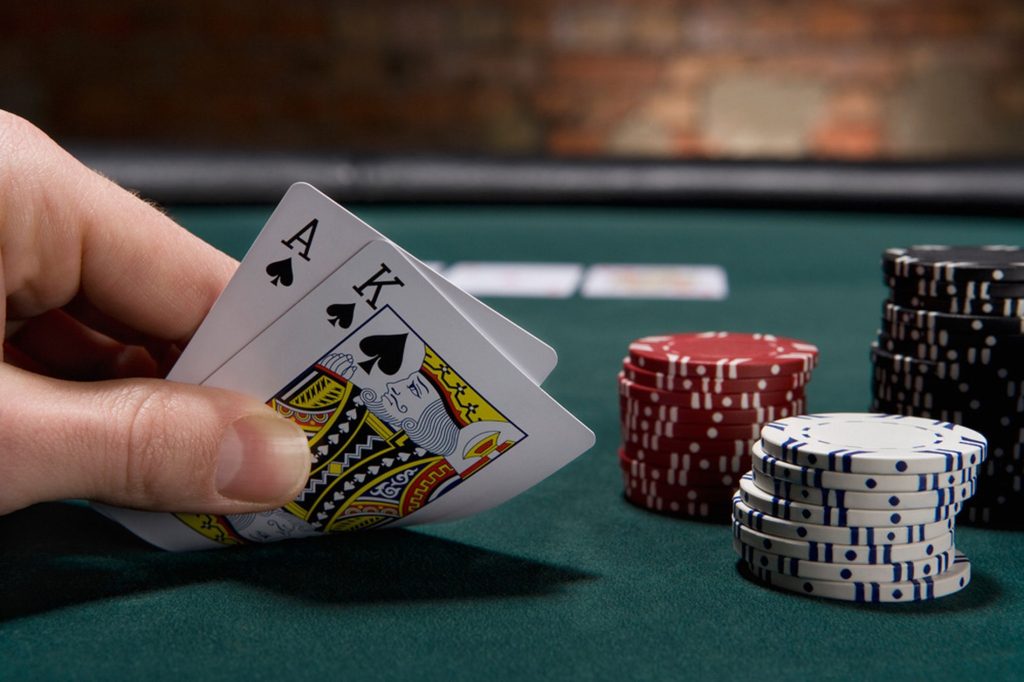
The poker face is a defensive mechanism designed to prevent opponents from gaining insights into a player’s hand. It is a key component of bluffing, which is one of the most powerful tools in a poker player’s arsenal. Bluffing relies on the ability to convince opponents that your hand is better or worse than it actually is. A good poker face helps maintain that illusion by hiding any potential tells—subtle, involuntary movements or reactions that could reveal information about the player’s cards. Whether you have a strong hand or a weak one, the poker face allows you to project confidence or uncertainty, depending on the situation, without giving anything away.
In professional poker, players often go to great lengths to perfect their poker face. Some wear sunglasses or hats to hide their eyes, while others practice breathing techniques to stay calm and composed. It’s important to remember that a poker face isn’t just about not showing emotion; it’s about actively maintaining a neutral, unreadable demeanor that can keep opponents guessing.
Understanding Tells And Body Language
While mastering the poker face is important, it’s equally essential to understand the concept of tells. A tell is a physical or behavioral cue that gives away information about a player’s hand. Tells can be anything from a nervous twitch to the way a player handles their chips. Recognizing and interpreting these tells can give you a significant advantage in poker, allowing you to make more informed decisions about whether to fold, call, or raise.
A player who has a strong poker face will minimize their tells, making it difficult for opponents to gain any insight into their hand. However, even the best poker players can sometimes inadvertently give away tells through their body language, posture, or other unconscious actions. For example, a player may lean forward slightly when they have a strong hand or become fidgety when bluffing. In contrast, players who are trying too hard to maintain a poker face may become stiff or overly rigid, which can also be a tell in itself.
Learning to control your own tells and recognize the tells of others is an integral part of poker strategy. It’s not enough to simply hide your emotions; you must also be aware of the subtle cues that other players are giving off. This dual focus—controlling your own behavior while observing others—is what separates good poker players from great ones.
The Art Of Bluffing In Poker Face Card Games
Bluffing is one of the most fascinating and complex aspects of poker. At its core, bluffing is about deception—convincing your opponents that you have a stronger or weaker hand than you actually do. A good bluff can lead to a massive win, while a poorly executed bluff can result in significant losses. The poker face plays a crucial role in successful bluffing, as it helps maintain the illusion that you are confident in your hand, regardless of its actual strength.
There are different types of bluffs in poker, each requiring a different approach and level of commitment. A “pure bluff” is when a player has a weak hand but bets or raises as if they have a strong one, hoping to force their opponents to fold. In this scenario, a poker face is essential, as any sign of nervousness or uncertainty could give away the fact that the player is bluffing.
A “semi-bluff,” on the other hand, is when a player has a hand that is not currently strong but has the potential to improve in later rounds of betting. In this case, the poker face is still important, but the player may feel more confident in their chances of success.
Bluffing is a delicate balance between risk and reward. A successful bluff requires a deep understanding of your opponents and their tendencies. Some players are more likely to call a bluff, while others may be more easily intimidated by aggressive betting. Knowing when and how to bluff is a skill that takes time to develop, but mastering it can significantly improve your overall poker performance. A good poker face enhances your bluffing ability, making it harder for opponents to read you and increasing the likelihood that your bluffs will be successful.
Different Variants Of Poker Face Card Games
While the poker face is most commonly associated with traditional poker games like Texas Hold’em, the concept extends to various other card games that require a similar level of deception and psychological strategy. Some of these games include Five Card Draw, Seven Card Stud, and Omaha, each of which presents its unique challenges and opportunities for bluffing and using the poker face to your advantage.
In Five Card Draw, for example, players are dealt five cards and have the opportunity to exchange some of their cards to improve their hand. The poker face becomes especially important during the draw phase, as players must hide their reactions to the cards they receive. A player who visibly reacts to receiving a good card may inadvertently signal the strength of their hand to their opponents. Similarly, in Seven Card Stud, players must maintain a poker face throughout multiple rounds of betting as their hands gradually take shape. The ability to remain calm and unreadable is crucial in both of these games, as players must make strategic decisions based on incomplete information.
Another variant where the poker face plays a significant role is Omaha. In this game, players are dealt four hole cards and must use two of them in combination with three community cards to create the best possible hand. The added complexity of having more cards to choose from makes Omaha a game of deeper strategy, and the poker face becomes even more important in keeping opponents in the dark about the strength of your hand. Whether you’re playing traditional poker or one of its many variants, the poker face is an invaluable tool for success.
Psychological Tactics In Poker Face Card Games
The poker face is not just about hiding your own emotions but also about manipulating the emotions of others. In poker, psychology plays a major role in decision-making, and experienced players often use psychological tactics to gain an edge over their opponents. By using your poker face strategically, you can influence how other players perceive your hand and even push them into making mistakes.
One common psychological tactic is the “reverse tell,” where a player intentionally gives off false signals to mislead their opponents. For example, a player may act nervous or uncertain when they actually have a strong hand, hoping to lull their opponents into a false sense of security. Conversely, a player may act overly confident when they are bluffing, trying to convince their opponents that their hand is stronger than it is. These tactics rely on the player’s ability to control their body language and facial expressions, using their poker face as a tool of deception.
Another psychological tactic is the “slow play,” where a player with a strong hand bets conservatively to avoid scaring off their opponents. By maintaining a neutral poker face, the player can disguise the strength of their hand and encourage other players to stay in the game. This tactic is particularly effective when combined with a well-timed bluff, as it keeps opponents off-balance and unsure of how to interpret the player’s actions.
Psychological tactics also extend to reading your opponents. By paying close attention to their facial expressions, body language, and betting patterns, you can gain valuable insights into their thought processes and the strength of their hands. The poker face helps you remain unreadable while you gather information on your opponents, giving you a strategic advantage.
The Role Of The Poker Face In Tournaments
The importance of the poker face is amplified in poker tournaments. With higher stakes and more experienced players, tournaments require a greater level of focus, discipline, and psychological resilience. A single misstep or tell can be the difference between winning a massive pot and being eliminated from the tournament. As a result, tournament players often spend considerable time honing their poker faces and minimizing any potential tells.
In multi-table tournaments, players are constantly facing new opponents, each with their own style of play and level of experience. Maintaining a consistent poker face throughout the tournament is crucial, as opponents will be watching closely for any signs of weakness or uncertainty. The ability to keep a neutral expression, regardless of the cards you are dealt, allows you to blend into the background and avoid drawing attention to yourself. This can be especially useful in the early stages of a tournament, where the goal is often to survive and build your chip stack without taking unnecessary risks.
As the tournament progresses and the stakes increase, the psychological pressure on players intensifies. This is where the poker face becomes even more important, as players must remain calm and composed under pressure. The ability to maintain your poker face in high-stress situations can give you a significant edge over your opponents, allowing you to make better decisions and avoid costly mistakes.
In addition to controlling your own emotions, tournament players must also be adept at reading the emotions of others. As the tournament field narrows and the competition becomes more intense, players will be looking for any opportunity to exploit their opponents’ weaknesses. A good poker face not only protects you from being read by your opponents but also allows you to focus on reading them, giving you valuable information that can help you make more informed decisions.
Training Your Poker Face
While some people naturally have a good poker face, for most players, it is a skill that must be developed over time. Training your poker face involves more than just keeping a straight face during gameplay; it requires a deep understanding of your own emotions and how to control them. By practicing mindfulness and self-awareness, you can learn to recognize your emotional responses and prevent them from influencing your body language.
One effective way to train your poker face is to practice in low-stakes games or friendly matches. These environments allow you to experiment with different strategies and observe how your opponents react to your poker face. Over time, you will become more comfortable with maintaining a neutral expression and controlling your tells, even in high-pressure situations.
Another important aspect of training your poker face is learning to stay calm under pressure. Poker can be an emotional game, especially when large sums of money are on the line or when you’re faced with a difficult decision. Developing techniques for managing stress, such as deep breathing or visualization exercises, can help you stay composed and maintain your poker face during intense moments of gameplay.
Conclusion
The poker face is an essential skill for anyone looking to excel in poker and other card games that involve deception and strategy. Whether you’re bluffing, slow-playing, or simply trying to avoid giving away any tells, the poker face helps you maintain control over your emotions and project an air of confidence. It is not just about hiding your own emotions but also about understanding the psychology of your opponents and using that knowledge to your advantage.
In the world of poker, where every decision counts, the poker face can be the difference between winning and losing. By mastering the art of the poker face, you can enhance your gameplay, improve your bluffing skills, and gain a psychological edge over your opponents. Whether you’re playing in casual games with friends or competing in high-stakes tournaments, the poker face is an invaluable tool that will serve you well in every aspect of the game.