


Introduction
Softball Pitching: Softball, a sport beloved by many, is often compared to baseball but has its own unique dynamics and challenges. One of the most critical aspects of the game is pitching. In professional softball, pitchers play a pivotal role, often determining the outcome of a game through their skill, precision, and speed. Understanding the speed at which professional softball pitchers throw provides insight into the athleticism and technical proficiency required at the highest levels of the sport. This blog post explores the factors influencing pitch speed, the mechanics involved, and the comparisons between softball and baseball pitching.
Mechanics Of Softball Pitching

The mechanics of softball pitching are distinct and require a specific set of skills and physical attributes. Unlike baseball, where pitchers throw overhand, softball pitchers deliver their pitches underhand. This underhand motion, known as the windmill pitch, involves a full circular arm motion. The pitch starts with the pitcher facing the batter, stepping back to gain momentum, and then swinging the arm in a windmill motion before releasing the ball. This motion allows for maximum speed and spin, which are crucial for effective pitching. The lower body also plays a significant role in generating speed. Pitchers use their legs to push off the mound, transferring energy through their bodies and into their pitches. Proper timing, coordination, and strength are essential for optimizing speed and control. The grip on the ball and the release point also affect the pitch’s velocity and movement. Professional pitchers spend countless hours perfecting their mechanics to achieve the highest speeds while maintaining accuracy and consistency.
Average Pitch Speeds In Professional Softball
Softball Pitching, Professional softball pitchers are known for their impressive pitch speeds, which can rival those seen in baseball. On average, professional female softball pitchers throw at speeds ranging from 60 to 70 miles per hour (mph). This speed is particularly remarkable considering the shorter distance from the pitching mound to home plate in softball compared to baseball. The fastest pitches in professional softball can exceed 70 mph. Notable pitchers like Monica Abbott and Cat Osterman have been recorded throwing at speeds approaching 75 mph. These speeds are achieved through a combination of physical strength, refined mechanics, and intense training. Male softball pitchers, although less common, can throw even faster. Their pitch speeds often exceed 80 mph, with some elite pitchers reaching speeds over 85 mph. This increased speed is due to the generally greater physical strength and size of male athletes.
Softball Pitching: Factors Affecting Pitch Speed
Several factors influence the speed at which professional softball pitchers throw. One of the primary factors is physical conditioning. Pitchers need to maintain peak physical fitness to generate the necessary power and endurance for high-speed pitching. Strength training, particularly in the legs, core, and upper body, is crucial for maximizing pitch speed. Flexibility and mobility are also important, as they allow for a more extensive range of motion and efficient energy transfer. Another significant factor is technique. Proper pitching mechanics, including a smooth windmill motion, a strong push-off from the mound, and an optimal release point, are essential for achieving high speeds. Pitchers must also develop a consistent and effective grip on the ball to ensure maximum velocity and control. The mental aspect of pitching should not be overlooked. Confidence, focus, and the ability to remain composed under pressure contribute to a pitcher’s performance. Mental conditioning and visualization techniques can enhance a pitcher’s ability to deliver high-speed pitches consistently.
Training And Development Of Pitch Speed
Softball Pitching, Developing the ability to throw at high speeds requires dedicated training and practice. Pitchers often begin their training at a young age, focusing on building a strong foundation in mechanics and physical conditioning. As they progress, their training becomes more specialized and intense. Strength training is a critical component of a pitcher’s development. Exercises that target the legs, core, and upper body help build the muscle power necessary for high-speed pitching. Plyometric exercises, which enhance explosive strength, are also commonly used to improve a pitcher’s ability to generate speed quickly. In addition to physical conditioning, pitchers spend a significant amount of time refining their technique. Coaches and trainers work closely with pitchers to analyze and adjust their mechanics, ensuring that their motion is efficient and effective. Video analysis is a valuable tool in this process, allowing pitchers to see their form and make necessary corrections. Simulated game scenarios and live batting practice are also essential for developing pitch speed. These practice sessions help pitchers acclimate to the pressures of a real game, improving their ability to maintain high speeds under competitive conditions.
Comparison With Baseball Pitching
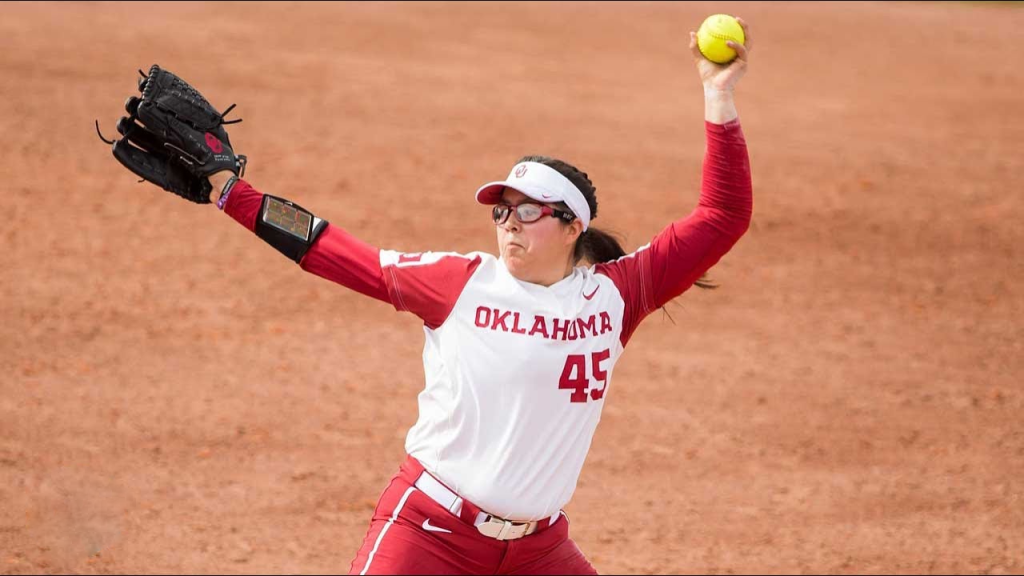
Softball Pitching, While both softball and baseball involve pitching, there are notable differences in the mechanics and dynamics of the two sports. One of the most apparent differences is the pitching distance. In softball, the distance from the pitching mound to home plate is 43 feet for women’s professional leagues, compared to 60 feet 6 inches in baseball. This shorter distance in softball means that pitches reach the batter more quickly, even at lower speeds. Despite the differences in distance, the reaction time for batters in both sports is similar. A softball pitch traveling at 70 mph from 43 feet away reaches the batter in roughly the same time as a baseball pitch traveling at 95 mph from 60 feet 6 inches. This comparison highlights the impressive nature of softball pitching speeds. Another difference is the pitching motion. Baseball pitchers throw overhand, while softball pitchers use an underhand windmill motion. This difference in mechanics affects the types of pitches thrown and the strategies used by pitchers. Softball pitchers often rely on a variety of pitches, including fastballs, changeups, and curveballs, to keep batters off balance.
The Role Of Spin And Movement
In addition to speed, the spin and movement of a pitch are crucial elements of effective softball pitching. Professional pitchers use various grips and release techniques to impart spin on the ball, creating movement that makes it more difficult for batters to hit. One of the most common pitches in softball is the fastball, which can have either a four-seam or two-seam grip. The spin generated by the pitch can cause it to rise, drop, or move laterally, depending on the pitcher’s technique. The riseball, for example, is a fastball that appears to rise as it approaches the batter, making it challenging to hit. Changeups are another important pitch in a softball pitcher’s arsenal. These pitches are thrown with less speed but with similar arm action to a fastball, deceiving the batter and disrupting their timing. Effective changeups require precise control and a consistent release point. Curveballs and dropballs are also commonly used by professional pitchers. These pitches have significant movement, either curving away from the batter or dropping sharply as they reach the plate. The ability to throw these pitches effectively adds another layer of complexity to a pitcher’s repertoire.
Notable Professional Softball Pitchers
Softball Pitching, Throughout the history of professional softball, several pitchers have stood out for their exceptional speed and skill. These pitchers have set records, won championships, and inspired future generations of players. Monica Abbott is one of the most famous professional softball pitchers, known for her incredible speed and dominance on the mound. Abbott has set numerous records, including the fastest recorded pitch in women’s softball at 77 mph. Her career includes multiple championships and accolades, solidifying her status as one of the greatest pitchers in the sport. Cat Osterman is another legendary pitcher whose impact on the game is undeniable. Osterman’s combination of speed, movement, and control made her a formidable opponent throughout her career. She has won Olympic medals, professional championships, and numerous individual awards, earning her place in the softball hall of fame. In men’s professional softball, pitchers like Sean Cleary and Adam Folkard have achieved remarkable success. Cleary is known for his blazing fast pitches, often exceeding 85 mph, while Folkard’s consistent dominance has made him one of the best pitchers in the world. These pitchers’ achievements highlight the high level of skill and athleticism required to succeed in professional softball.
Advances In Pitching Technology

Technological advancements have played a significant role in the evolution of softball pitching. Modern training tools and techniques allow pitchers to optimize their performance and achieve higher speeds. One of the most impactful technologies is video analysis. By recording and analyzing their pitching motion, pitchers can identify areas for improvement and make adjustments to their mechanics. High-speed cameras and specialized software provide detailed insights into every aspect of the pitcher’s motion, from the initial step to the release of the ball. Radar guns are another valuable tool used to measure pitch speed accurately. These devices allow pitchers and coaches to track progress and set specific speed goals. Consistent monitoring with radar guns helps pitchers understand how changes in their technique or physical conditioning affect their pitch speed. Wearable technology, such as motion sensors and biomechanics tools, is also becoming more prevalent in softball training. These devices provide real-time feedback on a pitcher’s motion, helping them refine their mechanics and prevent injuries. By integrating technology into their training routines, pitchers can achieve higher speeds and maintain peak performance levels.
Conclusion
Professional softball pitching is a fascinating and complex aspect of the sport, requiring a unique combination of physical prowess, technical skill, and mental toughness. The speeds at which professional softball pitchers throw are a testament to their dedication, training, and athleticism. Understanding the factors that influence pitch speed, from mechanics and physical conditioning to mental focus and technological advancements, provides a comprehensive view of what it takes to excel in professional softball pitching. As the sport continues to evolve, professional pitchers will undoubtedly continue to push the boundaries of speed and performance, inspiring future generations of players.