

Introduction
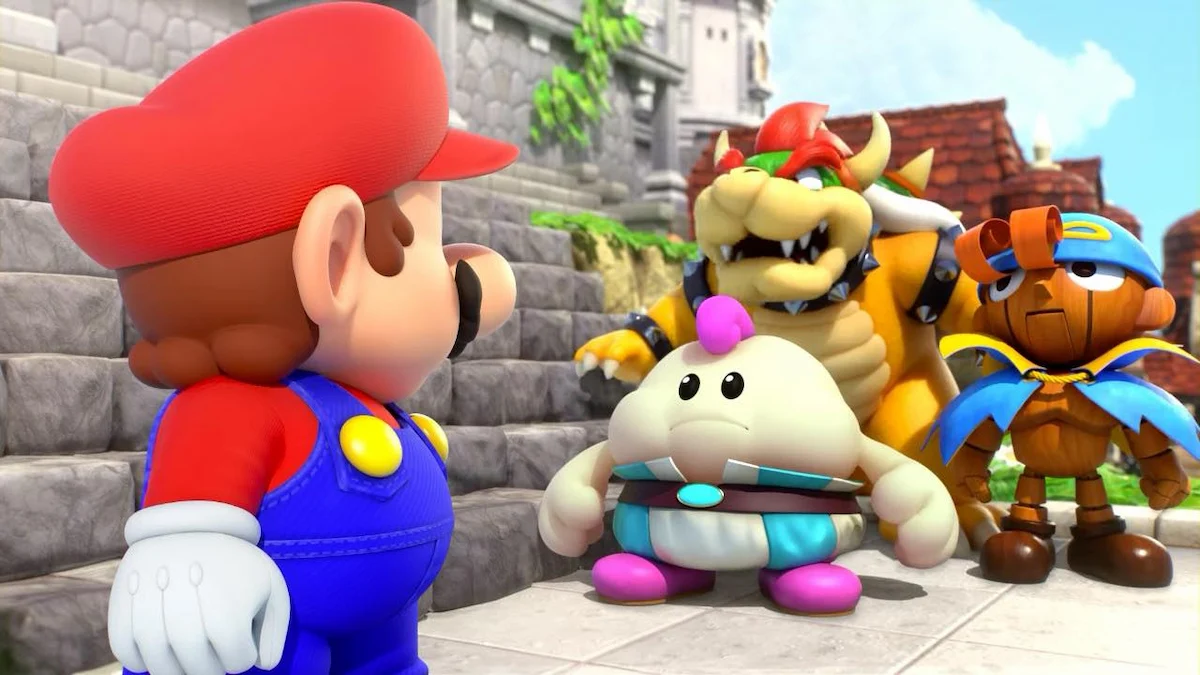
Legend of the Seven Stars is a beloved title in the expansive Super Mario franchise, offering players a unique blend of classic platforming mechanics with traditional role-playing elements. Released in 1996 for the Super Nintendo Entertainment System (SNES), this game holds a special place in the hearts of fans due to its engaging story, turn-based combat, and iconic characters from the Mario universe.
One of the most common questions players have about Super Mario RPG is regarding its game length—how long does it take to complete. Understanding the length of this classic game involves diving into different aspects such as the main storyline, side quests, and replay value. This post provides an in-depth exploration of the time commitment required for Super Mario RPG and how different playstyles and objectives can affect the overall game length.
The Main Storyline Of Super Mario RPG
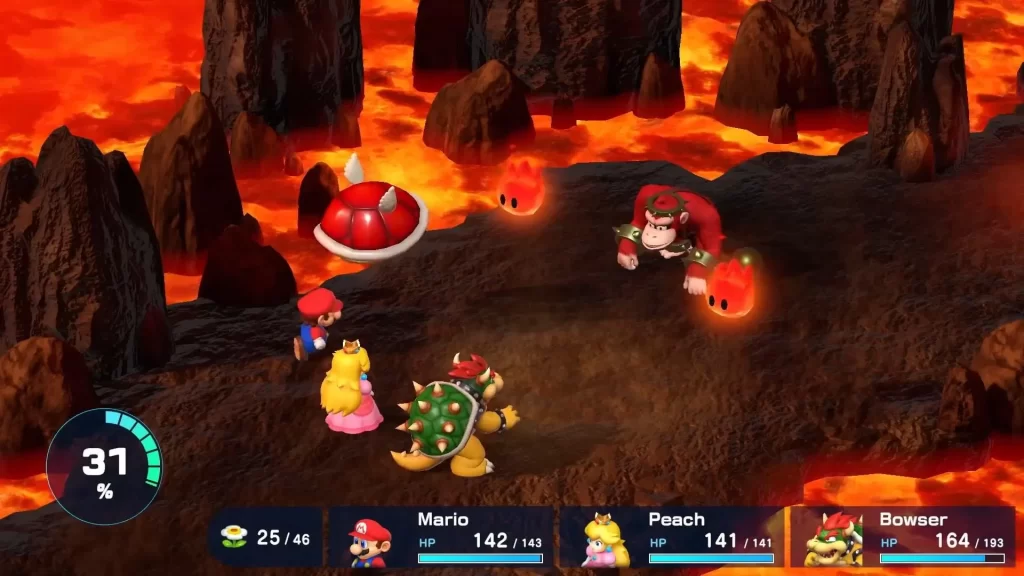
At the core of Super Mario RPG is its richly woven storyline, which takes Mario and his companions on a journey to save the Mushroom Kingdom from a new threat: the Smithy Gang. The narrative begins with Mario setting out to rescue Princess Peach from Bowser, as usual, but quickly takes a surprising turn when a giant sword named Exor crashes into Bowser’s castle, shattering the Star Road and scattering seven vital Star Pieces throughout the kingdom. Mario teams up with an unlikely group of allies, including Bowser himself, to retrieve these pieces and restore peace to the world.
The primary story-driven quests are what most players will experience during a typical playthrough, and these are the most significant contributors to the game’s length. For those focusing mainly on the main storyline, completing the entire game generally takes around 15 to 20 hours. The time it takes to complete the story largely depends on a player’s familiarity with role-playing game mechanics, as there are a variety of turn-based battles and puzzles to solve along the way.
The pacing of Super Mario RPG is quite balanced, offering a steady progression from one area to the next, with minimal need for excessive grinding or backtracking. However, there are moments when the difficulty spikes, especially during boss battles. These encounters may extend the game’s length for some players, particularly if they are not well-prepared or under-leveled. While the main questline is fairly linear, the story is full of charming cutscenes and interactions with NPCs, making it an engaging experience from start to finish.
Side Quests And Optional Content
For players who want to go beyond the main storyline and explore everything Super Mario RPG has to offer, there are numerous side quests and optional activities that add to the game’s length. These optional challenges offer a deeper dive into the game’s world and provide rewards such as powerful items, extra experience points, and secret characters. Players who enjoy completing every aspect of a game, including optional content, can expect to spend closer to 25 to 30 hours with Super Mario RPG.
One of the most iconic side quests in the game is finding the hidden character, Culex, a secret boss who offers one of the most challenging fights in the entire game. Culex is a clear homage to traditional RPG bosses, and defeating him requires a great deal of preparation and strategy. This quest alone can take several hours, as players will need to level up their characters and acquire specific items to stand a chance against Culex’s formidable attacks.
In addition to Culex, there are various mini-games and puzzles scattered throughout the world of Super Mario RPG. From rhythm-based challenges to casino games, these activities provide a fun distraction from the main quest and offer players a chance to earn rare items or bonus coins. Completing these mini-games is not necessary to finish the game, but for completionists, they provide an additional layer of depth and can extend the overall playtime.
Another notable side quest involves collecting Frog Coins, a special type of currency used to purchase powerful items from unique vendors. These coins are hidden in various locations and often require players to solve puzzles or complete mini-games to obtain them. While searching for Frog Coins is not essential to the main story, the items they unlock can significantly enhance a player’s chances during difficult battles, making them a worthwhile pursuit for those looking to optimize their playthrough.
Replay Value And Multiple Playthroughs
While Super Mario RPG is not a particularly long game by today’s standards, it offers significant replay value that can encourage players to revisit the adventure multiple times. One of the reasons for this is the flexibility in character development and strategy. Throughout the game, Mario and his party members can level up, learn new abilities, and equip various gear to improve their stats. Players have the option to experiment with different strategies, focusing on certain characters’ strengths or weaknesses during battles.
For example, players can choose to build a party around physical attacks, relying on characters like Mario and Bowser, or they can emphasize magic-based attacks with characters like Geno and Mallow. This flexibility allows for a different experience with each playthrough, as players can approach battles and challenges in new ways. Trying out different combinations of characters and strategies is a great way to extend the life of the game, especially for those who enjoy fine-tuning their approach to combat.
Another factor contributing to the game’s replayability is its engaging story and memorable characters. The humor and charm that Super Mario RPG brings to the table make it a joy to replay, even after completing the game once. The dialogue is witty, and there are numerous hidden references and Easter eggs that players may not catch on their first playthrough. Revisiting the game with the intent of uncovering all these hidden gems can easily add several hours to a player’s total time spent with the game.
Speedruns And Challenge Runs
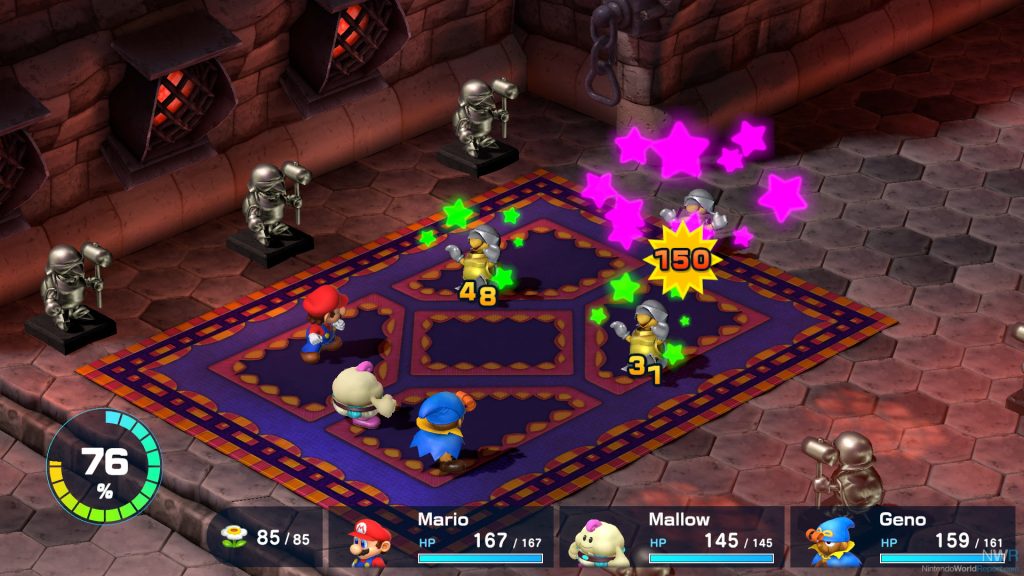
For players looking for a more intense experience, Super Mario RPG has become a popular title within the speedrunning community. Speedrunners attempt to complete the game as quickly as possible, often using glitches, skips, and precise strategies to shave minutes or even seconds off their total time. The average speedrun for Super Mario RPG typically lasts between 3 to 5 hours, depending on the category and the level of skill involved.
Speedrunning adds a whole new layer to the game’s length, as players may spend dozens of hours practicing specific techniques and routing their playthrough to achieve faster completion times. While the game itself may not take as long to finish during a speedrun, the preparation and dedication required for these runs can significantly increase the time a player spends with Super Mario RPG. For those who enjoy pushing the limits of their skills, speedrunning offers a fresh and exciting way to experience the game.
Challenge runs are another way to extend the game’s length and test a player’s abilities. These self-imposed challenges can vary in difficulty and scope, but they often involve adding restrictions or handicaps to the gameplay. For example, players might attempt to complete the game without using certain items, limiting themselves to specific party members, or playing through the game at a low level. These challenges can make the game more difficult and engaging, offering players an opportunity to explore new strategies and approaches to familiar content.
Factors That Affect The Game Length
Several factors can influence how long it takes to complete Super Mario RPG, depending on a player’s experience level, familiarity with RPG mechanics, and personal playstyle. For new players who are unfamiliar with role-playing games, the learning curve associated with turn-based combat, character leveling, and item management may extend their playtime. These players might spend more time exploring the world, experimenting with different abilities, and learning how to navigate battles effectively.
On the other hand, experienced RPG players or those who have already played through Super Mario RPG may find the game’s pacing to be more streamlined. They are likely to complete the main storyline faster, as they are familiar with the mechanics and know how to efficiently navigate through the game’s challenges. Experienced players may also focus less on side quests during their initial playthrough, opting instead to complete the game quickly before revisiting optional content.
Another factor that affects game length is the amount of time players spend leveling up their characters. In RPGs, grinding refers to the process of repeatedly engaging in battles to gain experience points and improve a character’s stats. While Super Mario RPG does not require excessive grinding to complete, some players may choose to spend extra time leveling up their party to ensure they are well-prepared for difficult boss battles. This additional grinding can add several hours to the total playtime, especially for players who prefer a more cautious approach to progression.
Lastly, the game’s charming and detailed environments may encourage players to take their time exploring each area fully. From the bustling towns to the eerie dungeons, Super Mario RPG’s world is filled with secrets and hidden treasures. Players who take the time to explore every nook and cranny will likely spend more time with the game than those who rush through the main quest.
Conclusion
Legend of the Seven Stars strikes a fine balance between a manageable game length and a wealth of content that keeps players engaged. Whether you’re playing for the first time or returning for another run, the Super Mario RPG game offers around 15 to 20 hours of enjoyment for those focusing on the main storyline, with optional side quests and activities adding several more hours for completionists. Its engaging combat system, memorable characters, and charming story make it a timeless experience that can be revisited time and time.
For those seeking additional challenges, Super Mario RPG’s replay value, speedrunning potential, and various challenge runs ensure that there is always something new to discover. The length of the game may vary depending on playstyle, but the core experience remains a rich, fulfilling adventure that continues to captivate players decades after its release. Whether you’re looking to casually explore the Mushroom Kingdom or push yourself to master every aspect of the game, Super Mario RPG offers a journey worth taking, regardless of how long it takes to complete.